
If your ideal getaway sounds like cicadas at dusk, stars you can actually see, and mornings that start with coffee instead of traffic, Central Texas is calling. But “quiet” is more than a vibe—it’s a set of practical choices about distance, layout, and amenities. This guide shows you how to pick a peaceful, country-style RV park in the heart of Texas that still keeps you close to lakes, small towns, and essentials.
Why “Quiet” Is a Feature You Can Engineer
Silence doesn’t just happen; it’s designed. The best country RV parks deliberately minimize noise with space, thoughtful placement, and rules that support calm. In Central Texas, look for parks that sit on acreage instead of tight urban parcels, cluster long-term sites away from short-stay traffic, and buffer pads with trees or natural berms. Add a light rule set—reasonable quiet hours, tidy sites, respectful pet policies—and you’ve got a setting where you can actually hear the wind in the oaks.
The Anatomy of a Peaceful Site
A site that looks pretty on a map can still be loud once you park. Evaluate the details:
- Setback from highways and frontage roads. The farther from major corridors, the fewer Jake brakes you’ll hear at 2 a.m.
- Natural sound barriers. Tree lines, gentle hills, and pond edges blunt noise better than fences alone.
- Smart spacing and orientation. Staggered pads keep neighbors from facing each other window-to-window.
- Surface and drainage. Deep gravel or paved pads reduce muddy foot traffic and generator hum from stuck rigs.
- Shade patterns. Trees cool the site and reduce daytime A/C noise—yours and everyone else’s.
Amenities That Add Comfort Without Adding Chaos
You want amenities that support a slow, restorative rhythm, not an amusement-park atmosphere. Choose parks that emphasize:
- Full hookups (30/50-amp, water, sewer) so you can settle in for a week or a season without chores dictating your schedule.
- Dependable Wi-Fi and workable cell signal to stay connected without constant troubleshooting.
- Laundry and clean bathhouses—simple, well-maintained facilities beat flashy but finicky ones.
- Walking loops, shade trees, and a pond or greenbelt for low-key recreation.
- Pet-friendly grounds with clear, respectful rules.
If you want a starting point as you compare options, browse a property that positions itself as a quiet country RV park in Central Texas to benchmark space, layout, and amenities against other parks on your shortlist.
The “True-Quiet” Checklist (Copy/Paste)
Use this list when you call or message a prospective park:
- How far are long-term sites from the nearest highway, train line, or busy farm road?
- Are pads staggered or directly facing neighbors?
- What are quiet hours, and how are they enforced?
- Typical Wi-Fi speeds on the loop I’d book, and which cellular carriers perform best there?
- Is there a dog area or walking loop away from the densest site clusters?
- Do you meter electric for monthly guests, and what’s the average kWh cost?
- Can you accept packages (and letters if I’m staying a month or more)?
- Which sites get afternoon shade in summer?
Budgeting for Calm (Not Just a Nightly Rate)
The cheapest nightly price can cost you peace. Build a full-stay budget:
- Monthly rate × number of months.
- Power (metered electricity), plus a buffer for summer A/C days.
- Add-ons: pet fees, extra vehicle parking, premium Wi-Fi.
- Deposits and gate fobs, noting what’s refundable.
- Drive time costs: a slightly more rural park might be quieter and still within 10–20 minutes of groceries, fuel, and hardware.
A slightly higher base rate often buys the space and serenity that make long stays truly restorative.
Seasonal Smarts for Central Texas
Central Texas weather swings from golden fall afternoons to spring thunderstorms and bright, warm summers. Plan accordingly:
- Spring: Thunderstorms roll through fast—choose sites with good drainage and trees trimmed above rig height.
- Summer: Prioritize shade, 50-amp power, and airflow. A well-placed site can drop interior temps and cut A/C noise.
- Fall/Winter: Mild days and cool nights; heated hoses are nice-to-have, and evening fire pits shine.
Setup Tweaks That Keep the Peace
A few small upgrades make a big difference in sound and comfort:
- Electrical Management System (EMS): Protects from brownouts on hot afternoons.
- Water regulator and inline filter: Keeps pressure steady and taste consistent.
- Outdoor mat and cord organizers: Reduces grit and trip hazards, keeping your site tidy.
- Network backup: A hotspot with external antennas ensures work calls don’t depend on park traffic.
- Soft lighting: Warm, low-glare LEDs preserve night sky views for you and your neighbors.
Sample 2-Day Slowdown Itinerary
Day 1
- Arrival and unhook: confirm level, shade, and cable slack—no tension on hoses or cords.
- Late afternoon loop: walk the grounds, find the quietest corners, note sunrise/sunset angles.
- Dusk: simple grill dinner; stargaze with the porch lights off.
Day 2
- Sunrise coffee outside—listen for the lack of noise.
- Late morning: quick trip to town for groceries, fuel, and a local bakery treat.
- Afternoon: read in the shade or take a slow lap around the pond or tree line.
- Evening: call family over Wi-Fi, then unplug early.
Red Flags That “Quiet” Might Be Wishful Thinking
- Sites packed shoulder-to-shoulder with no vegetation or berms.
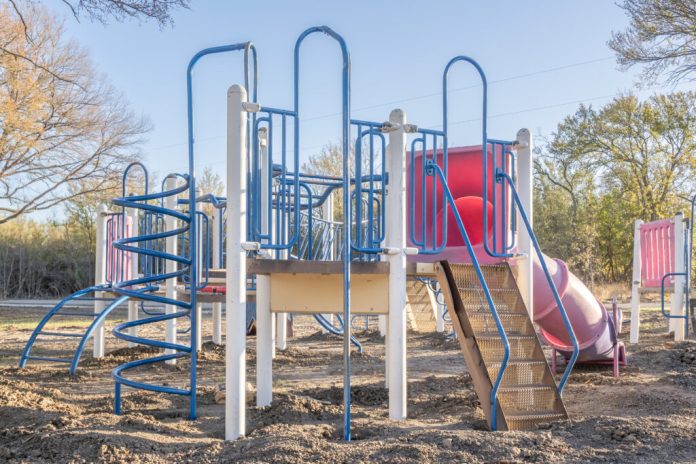
- A playground or dumpster directly behind your pad (great amenities; tough neighbors).
- No posted quiet hours—or rules that exist but aren’t enforced.
- Main approach road doubles as a local cut-through.
- Promises of “superfast Wi-Fi” with no loop-specific numbers or provider details.
Final Thoughts
A peaceful Central Texas escape is less about luck and more about selection. When you target acreage, spacing, shade, and simple, reliable amenities, you set yourself up for mornings that are slow on purpose and nights that are actually quiet. With a smart checklist, a transparent rate picture, and a park culture that values calm, your country stay turns into the kind of reset you’ll remember long after you roll out.