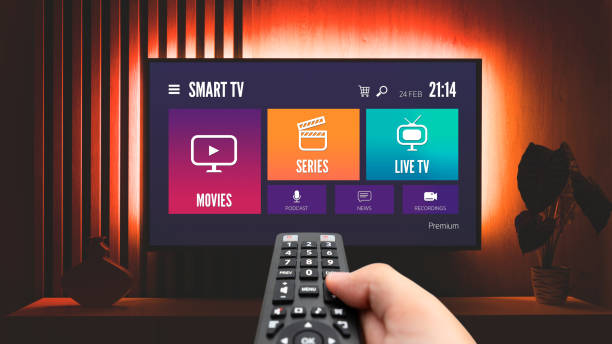

Entertainment habits have changed dramatically over the last decade. What once revolved around cable schedules and traditional television networks has shifted toward flexible, internet-powered streaming experiences. Modern audiences no longer want to wait for specific broadcast times or depend on limited viewing options. Instead, they expect entertainment that is instant, portable, and personalized.
This transformation has made streaming one of the most influential technologies in the media industry. Internet-based television services and IPTV platforms continue growing because they match the expectations of digital audiences who value convenience and accessibility above all else.
As the streaming industry expands, platforms such as https://apollogroup-tv.com represent the broader movement toward entertainment systems built around modern viewing behavior.
The Shift From Cable to Internet Television
Traditional television once dominated home entertainment because it offered reliable access to movies, sports, and live broadcasts. However, the model came with limitations.
Viewers often had to deal with:
- Fixed programming schedules
- Limited channel packages
- Expensive subscriptions
- Regional content restrictions
- Lack of viewing flexibility
Streaming technology changed this structure by giving users direct control over what they watch and when they watch it.
Today’s audiences increasingly prefer systems that allow entertainment to fit around their lifestyles rather than forcing lifestyles to fit around television schedules.
Understanding IPTV and Digital Streaming
IPTV, or Internet Protocol Television, is one of the technologies helping reshape modern entertainment. Unlike traditional cable or satellite broadcasting, IPTV delivers television content through internet connections.
This approach allows viewers to access entertainment across multiple devices, including:
- Smart TVs
- Smartphones
- Tablets
- Streaming boxes
- Desktop and laptop computers
The flexibility of internet-based television has become one of its biggest advantages, especially for audiences who consume media across different screens throughout the day.
Why On-Demand Viewing Changed Everything
One of the most important changes in entertainment culture is the rise of on-demand viewing.
In the past, audiences had little choice but to follow television schedules. Streaming platforms eliminated that restriction completely by allowing viewers to access content instantly.
This shift created several new viewing habits:
Binge-Watching
Entire seasons can now be streamed continuously, changing how audiences engage with storytelling.
Personalized Entertainment
Recommendation systems suggest movies, series, and channels based on individual viewing behavior.
Flexible Viewing
People can pause content, switch devices, and continue watching from different locations without interruption.
These changes have transformed entertainment into a more customized and user-driven experience.
The Importance of Multi-Device Streaming
Modern audiences rarely rely on a single screen for entertainment. Streaming platforms have adapted by supporting seamless viewing across multiple devices.
Today, people regularly stream content:
- During commutes
- While traveling
- On lunch breaks
- In different rooms at home
- On mobile devices outdoors
This portability has become one of the defining characteristics of digital entertainment culture.
Sports Streaming and Live Entertainment
Live sports remain one of the strongest drivers of streaming demand worldwide. Fans increasingly expect access to games and events through internet-connected devices rather than traditional cable systems.
Modern sports streaming offers:
- HD and 4K broadcasts
- Real-time event access
- Mobile streaming flexibility
- Multi-screen viewing experiences
- Faster access to international sports coverage
The popularity of sports streaming continues influencing how internet television platforms improve their infrastructure and services.
The Technology Behind Smooth Streaming
Streaming platforms rely on advanced technology to provide stable playback and high-quality viewing experiences.
Adaptive Bitrate Streaming
This system automatically adjusts video quality depending on internet speed to minimize buffering interruptions.
Cloud Infrastructure
Cloud-based systems allow streaming services to support large content libraries and millions of simultaneous users.
Content Delivery Networks
CDNs distribute streaming traffic across multiple servers globally to improve playback speed and reliability.
Artificial Intelligence
AI-powered recommendation systems help personalize content discovery for users.
These technologies have significantly improved streaming performance compared to earlier internet television systems.
Challenges Facing the Streaming Industry
Despite its rapid growth, the streaming industry still faces several challenges.
Internet Dependency
Stable internet connections remain essential for reliable playback and high-definition streaming.
Increasing Competition
The growing number of streaming platforms has created a highly competitive entertainment market.
Licensing Restrictions
Broadcast rights and regional content agreements continue affecting global availability.
Content Saturation
The enormous amount of available content can sometimes overwhelm audiences trying to decide what to watch.
These issues continue shaping the future development of streaming services.
The Future of Digital Entertainment
The future of streaming is expected to become even more personalized and technology-driven. Advancements in artificial intelligence, cloud computing, and 5G networks will likely improve streaming quality and user experiences further.
Future entertainment trends may include:
- Faster streaming speeds
- Smarter recommendation systems
- Interactive viewing features
- Enhanced mobile experiences
- More immersive digital entertainment
Most importantly, audiences will continue expecting entertainment that is flexible, accessible, and available instantly.
Streaming technology has already transformed television from a scheduled household activity into a fully digital experience centered around user convenience. As internet-based entertainment continues evolving, streaming platforms will remain one of the most important forces shaping the future of global media culture.