
There is an irresistible charm about Indian summer weddings. The ideal celebration of love and tradition is created by the sun-kissed atmosphere, vibrant flower décor, upbeat music, and delectable food. However, it might be difficult to dress appropriately for such important events when the weather rises. Indian weddings are renowned for their lavishness and vibrancy, but summertime demands a careful balancing act between style and coziness. It becomes crucial to wear something that both keeps you cool and makes a statement with your style. Thankfully, there are many options in Indian design that go well with hot temperatures and festive attitudes.
Indian summer weddings usually have several ceremonies, each requiring a different set of attire: sangeet, haldi, mehendi, wedding, and celebration. It can be difficult to choose the ideal outfit for every occasion while maintaining breathability, lightness, and style, but with the correct fabric, cuts, and color scheme, comfort can be maintained without sacrificing style.
Prioritizing breathable textiles is the first rule of summer wedding attire. Lightweight silks like organza or tussar, cotton, linen, mulmul, and chanderi are all excellent options. They let your skin breathe and prevent perspiration, particularly during ceremonies held outside or throughout the day. Steer clear of dense brocades, heavy velvets, or an excessive number of synthetic layers as these can trap heat and be uncomfortable. How comfortable you will be during the extended hours of celebration is often determined by the fabric’s feel, for both men and women.
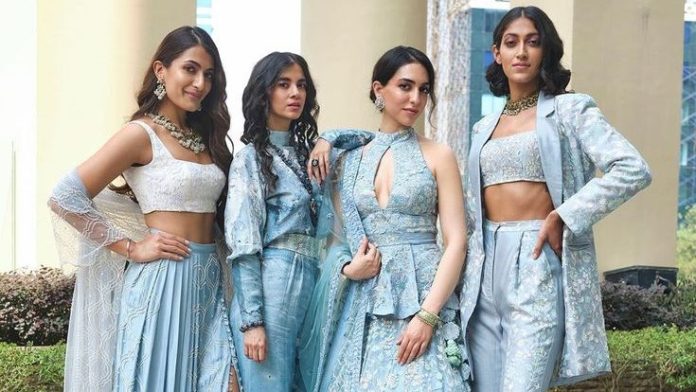
Color is also important. Summer weddings offer a completely different color scheme from winter nuptials, which frequently use rich jewel tones like emerald, navy, and maroon. Consider pastel colors like lavender, mint green, peach, blush pink, powder blue, or even white and ivory with gold. In addition to keeping you cooler by reflecting heat and light, these hues also provide a sleek, sophisticated appearance. Delicate designs, delicate stitching, and floral prints add a subtle charm to your ensemble and accentuate the seasonal feel.
Flow is your ally when it comes to silhouettes. Lightweight sarees, palazzo pants, shararas, and lehengas with soft, flared skirts are all great options for women. Stiff textiles and bulky can-cans are unnecessary for today’s bride or visitor. Instead, it might be both beautiful and useful to choose a flowy georgette or chiffon lehenga with gota patti or light mirror work. Organza or tissue sarees with little zari embroidery combined with sleeveless or strappy blouses create a classic look. The secret is to allow your clothing to flow and breathe.
Without being overly hot, anarkalis and floor-length dresses with net overlays, silk blends, or fine cotton can provide a royal touch. These styles, which include a flared skirt and a fitted bodice, are comfortable to wear for extended periods of time and fit all body shapes. To make the ensemble festive yet doable, experiment with decorations like printed motifs, thread work, or light sequins. You can experiment with Indo-western styles for more laid-back events like haldi or mehendi, such as jacket-style kurtas with culottes, crop tops with dhoti pants, or capes with skirts. These complement the lively atmosphere of pre-wedding rituals and exude a modern, youthful attitude.
Men also have many options that combine tradition and comfort. Short kurtas with Nehru jackets, linen bandhgalas, and cotton kurtas with chikankari embroidery are ideal for daytime occasions. A pastel-colored, lightly embroidered sherwani made of light silk or jacquard is a great choice for the main wedding ceremony or reception. The style is finished by wearing it with tapered pants or well-fitting churidars. Men can also try layering their outfits, such as wearing a pathani-style kurta or a long kurta over a printed bundi jacket for a casual yet elegant look. Complementary-colored loafers, mojris, or juttis provide a little gloss without going crazy.
The revival of traditional crafts with a contemporary twist is one of the most interesting developments in Indian wedding attire. In addition to being exquisite, traditional textiles like chikankari, ajrakh, bandhej, leheriya, and kalamkari are frequently composed of natural materials, which makes them perfect for hot climates. Pastel-colored light bandhej sarees or leheriya dupattas worn with solid kurtas are easy ways to add color without being overpowering. By combining these age-old methods with modern cutting, artisans all throughout India are enabling you to respect tradition while being up to date.
Compared to cooler months, summer wedding accessories require a little more planning. Although they may seem beautiful, heavy chokers and several layers of jewelry can be uncomfortable in humid environments. Instead, go for a sleek bracelet, a dainty maang tikka, or bold earrings. When worn with the appropriate ensemble, one piece of clothing can make a big statement. Pearl strings, floral jewelry for the haldi or mehendi ceremonies, and lightweight kundan or meenakari sets are all popular bridal accessories that feel much more wearable during the day.
Additionally, footwear must be both fashionable and functional. Heavy heels or stilettos might not be the greatest option because many ceremonies need you to stand or move about for extended periods of time. Although far more comfortable, block heels, embroidered juttis, kolhapuris, or wedge sandals can nevertheless make you look more put together. Flats or wedges are not only stylish for outdoor weddings on lawns or beaches, but they are also essential to prevent foot edema from the heat or sinking into the ground.
At summer weddings, hair and cosmetics are particularly crucial. It’s crucial to keep things light and fresh when the weather rises. Soft colors, dewy skin, and minimum makeup are not only in style but also durable. Subtle highlighters, lightweight foundations, and waterproof formulas can all provide a natural glow that doesn’t fade by lunchtime. You may stay cool and fashionable by wearing hairstyles that keep your hair out of your face, such as loose curls pinned back, twisted updos, or braided buns. Open waves with fresh flowers or simple hairpins lend a romantic touch to a more laid-back occasion.
Versatility might be crucial when organizing your wedding attire. Purchasing items that are versatile enough to be worn to various events allows you to have additional selections without overstuffing your closet. Later, for a joyful supper, you can wear a lehenga skirt with a basic shirt. One outfit’s dupatta can be worn with another suit or gown. This lets you show off your style and ingenuity while also making your clothing more sustainable.
It’s also critical to keep in mind that comfort does not equate to bad fashion. Particularly at weddings, many people still think that wearing nice clothes entails putting up with some discomfort. However, Indian fashion has developed magnificently to combine style and functionality. Without sacrificing style, designers are increasingly concentrating on creating clothing that lets you move, dance, and breathe. Accepting this change not only improves your experience but also establishes the standard for a more welcoming and body-positive wedding culture.
Choosing an outfit for a summer wedding can be particularly difficult for brides. Although there is pressure to “wow” at every event, many contemporary brides are opting to put their emotions just as much of a priority as their appearance. Sarees with dramatic drapes, airy shararas with royal dupattas, and light lehengas with exquisite but light embroidery are all making a resurgence. Additionally, brides are choosing pastel and ivory hues, which contrast with striking jewelry or vivid flowers to create a sophisticated yet memorable look.
Another factor to take into account is outdoor locations and destination weddings. Clothing that can withstand heat and movement is essential for garden celebrations and beachside mandaps. Here, flowing lines, airy materials, and basic footwear become even more important. When traveling, lighter luggage also helps, and selecting items with numerous uses, such as a shirt that goes well with different bottoms or a cape that can be worn in two different ways, makes packing and styling easier.
Ultimately, a clothing that makes you feel confident, gorgeous, and at ease is the ideal choice for an Indian summer wedding. Despite the heat, the season also adds a lightness to fashion that encourages experimenting with form, color, and fabric. Summer weddings are the ideal occasion to celebrate in elegance without feeling constrained by it, regardless of your preference for traditional attire or for adding contemporary touches to your look.
The diversity of Indian fashion is what makes it so captivating. There is something for every taste and temperament, from whisper-soft designs to flamboyant embellishments, from centuries-old materials to cuts inspired by the runway. Summer wedding attire doesn’t have to be a compromise; rather, it may be a chance to experiment with your look in a way that is as bright and joyous as the season.