
Gluten-free diets have been very popular in recent years, either as a result of medical necessity (such as celiac disease or gluten sensitivity) or just as a way to improve gut health. Due to the wide range of grains, legumes, veggies, and spices used in Indian cooking, there is an abundance of naturally occurring gluten-free dishes that are tasty and nourishing. Many traditional Indian foods are naturally gluten-free, and it’s simple to create a gluten-free, varied, and filling daily meal plan with a little help.
Wheat, barley, and rye are the main sources of gluten, a protein that is used to make several popular Indian breads, including chapati, naan, and paratha. But there are also lots of gluten-free options available in India’s varied culinary scene, which are created from naturally gluten-free flours including sorghum, rice, millet, and chickpea. In addition to meeting gluten-free requirements, these items offer distinctive flavors and textures.
When following a gluten-free Indian diet, breakfast may be both filling and stimulating. You can begin the day with foods like dosa or idli prepared from fermented rice and urad dal batter in place of wheat-based parathas or pooris. These are naturally gluten-free and are staples in South India. They are immensely gratifying due to their airy, fluffy texture and slight flavor from fermentation. This combination, when served with coconut chutney and sambar, a filling lentil and vegetable stew, offers a well-balanced breakfast that is high in fiber and protein.
Upma prepared with semolina substitutes, such as rava made from rice or millet flours, is another great breakfast option. Curry leaves, mustard seeds, ginger, green chilies, and chopped vegetables including beans, peas, and carrots are all used to make the delicious porridge known as upma. It is the ideal energizing supper because of its warm, cozy nature and the addition of spices. Poha, which is flattened rice cooked with turmeric, mustard seeds, peanuts, and onions, is a popular, quick, light, and gluten-free breakfast choice in many regions of India for people who prefer something simpler.
Lunch is a great time to experiment with filling, gluten-free foods that are good for your body and taste buds. A staple of Indian cuisine is a bowl of dal, which is made with spiced lentils and is entirely gluten-free. Toor dal, masoor dal, and yellow moong dal are all readily available and simple to make. It makes a healthy and gluten-free meal when combined with steamed basmati rice or millet types like jowar (sorghum) or bajra (pearl millet). A vegetable side such as sautéed greens, bhindi masala (okra fried with onions and tomatoes), or aloo gobi (potatoes with cauliflower) adds even more vitamins and minerals to the dish.
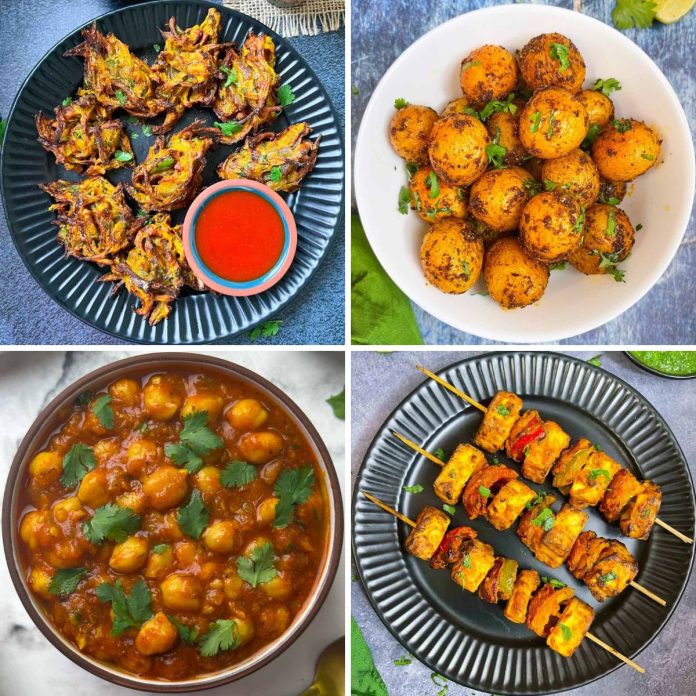
Besan, also known as chickpea flour, is a very versatile ingredient that is essential to gluten-free Indian cooking. It can be used to prepare healthy snacks like pakoras, which are vegetable fritters that can be baked or shallow-fried. A high-protein lunch or dinner choice are besan chilla, which are savory pancakes prepared with chickpea flour combined with onions, tomatoes, and spices. They are tasty and satisfying and go well with a simple salad or green chutney.
In gluten-free Indian cuisine, rice-based foods are particularly noteworthy. Rice is cooked with a variety of vegetables and whole spices, such as cloves, cardamom, and cinnamon, to create the aromatic and vibrant vegetable pulao. For people recuperating from illness or seeking a light supper, khichdi, a traditional one-pot dish made with rice and lentils, is frequently suggested since it is reassuring and simple to digest. If dairy is acceptable, both dishes can be served with fresh yogurt or gluten-free pickles to round out the meal.
Traditional wheat breads for dinner can be swapped out for rotis made from millet and rice. In various regions of India, jowar and bajra rotis are created by combining millet flour with hot water, kneading the mixture into a dough, then rolling and heating it on a hot griddle. These breads go well with vegetable curries or dals since they are substantial, have a hint of nutty taste, and are naturally gluten-free.
Vegetable curry made with coconut milk, like Kerala-style vegetable stew or South Indian avial, which mixes a variety of vegetables with yogurt and coconut, is another well-liked supper choice. These foods are naturally rich, creamy, and gluten-free. Similar to this, chana masala, a fiery chickpea curry, is hearty and satisfying and goes well with gluten-free flatbreads or steaming rice.
Street cuisine and Indian snacks are also simple to modify for a gluten-free diet. Puffed rice, chopped veggies, tamarind chutney, and crispy gluten-free sev (thin chickpea flour noodles) are the ingredients of the well-known chaat dishes sev puri and bhel puri. Without having to worry about gluten, these recipes are full of sweet, spicy, and sour tastes. Other healthful, gluten-free, and tasty snacks include roasted makhana (fox nuts), fresh fruit chaat, and roasted or spiced nuts and seeds.
There are also naturally gluten-free options for sweet desserts in Indian cuisine. A popular traditional dish is kheer, a rice pudding created by cooking rice with milk, sugar, and cardamom. Vermicelli produced from rice flour or broken rice are frequently used in payasam, a similar South Indian delicacy. Grated coconut and jaggery are used to make coconut laddoos, which have a sweet taste without processed sugar or gluten. Those following a gluten-free diet can eat guilt-free with these delights.
Keeping an eye out for cross-contamination is crucial when purchasing materials and premade goods. Facilities that process wheat may also process a variety of flours and spices. Safety is ensured by purchasing from reliable vendors, closely reading labels, or choosing items that are certified gluten-free. Additionally, unintentional exposure is avoided by using distinct cookware and utensils for gluten-free meals.
You have total control over the ingredients and preparation techniques when you cook at home. Rice, lentils, chickpea flour, millet flours, fresh veggies, and spices are basic pantry staples that you can use to make a variety of delectable gluten-free Indian dishes every day. Accepting these items and modifying classic recipes to accommodate gluten-free requirements are crucial.
It might be difficult, but not impossible, to eat out when following an Indian gluten-free diet. Many Indian foods, particularly those made with rice, lentils, and vegetable curries, are inherently gluten-free. Safe meal preparation is ensured by educating restaurant employees on celiac illness and gluten intolerance. Avoiding wheat-based breads and flour-thickened gravies is possible by choosing foods like tandoori veggies, dal, plain rice, and vegetable curries.
There are many different textures, flavors, and nutrients that may be found in a gluten-free Indian diet. Additionally, it encourages a diet high in whole foods that are good for your health, including as veggies, grains, and legumes. Anyone can enjoy fulfilling daily meals without worrying about gluten if they know how to creatively cook the naturally gluten-free items found in Indian cuisine.
Comfort and well-being are two benefits of incorporating these gluten-free Indian recipes and meals into your daily routine. From a warm bowl of khichdi for dinner to delicate idlis and spicy sambar for breakfast, Indian food provides a plethora of naturally gluten-free options that satisfy the tongue and nourish the body.
In the end, living a gluten-free diet doesn’t mean restricting oneself; rather, it means trying out new flavors and recipes that honor the rich history of Indian cooking. Easy, delicious meals that keep you happy and healthy may be had every day with basic materials and a little imagination.