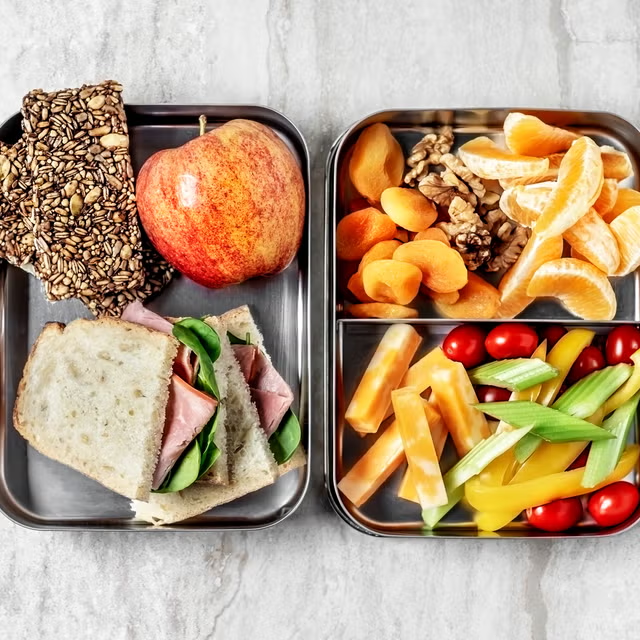

One of the most crucial elements of reaching your fitness objectives is properly fueling your body both before and after a workout. The food you eat before and after your workout can have a big impact on your health, whether your goal is to gain muscle, shed weight, or just get healthier overall. However, this is frequently one of the fitness concepts that people don’t fully understand. Fatigue, poor performance, a slower rate of recuperation, and even muscle loss can result from people skipping meals, eating the wrong kinds of food, or timing their meals incorrectly. The good news is that you can learn how to fuel your body in a way that complements your training and improves your outcomes with a little knowledge and preparation.
Prior to making dietary decisions, it’s critical to comprehend what your body truly requires within the period leading up to a workout. Your body uses glycogen, which is the stored form of carbs, as a major energy source when you exercise. Additionally, protein is important, particularly for preserving muscle mass during resistance training. Although the body does not choose fats as a rapid fuel source, they are used mostly during longer, lower-intensity workouts. The proper pre-workout meal stabilizes blood sugar, replenishes your glycogen stores, and provides you with the energy you need to train efficiently. The emphasis switches to replenishment after your workout: you want to mend muscle fibers, refill depleted glycogen, lower inflammation, and aid in the body’s recuperation.
The pre-workout meal should preferably be eaten one to two hours before to working out and should be easily digested. Your body can still be concentrating on digestion if you eat too soon before working out, instead of using that energy to perform. You can run out of gasoline in your system if you wait too long. To prevent gastrointestinal distress when exercising, the objective is to consume a meal or snack that contains complex carbs, a little amount of protein, and little fat or fiber.
A cup of oats with a banana and a tiny dollop of peanut butter on top is a common example of a healthy pre-workout meal. The peanut butter supplies exactly the right amount of fat and protein to keep you full without making you feel heavy, the oatmeal provides slow-releasing carbohydrates, and the banana adds potassium and quick-digesting sugars to enhance nerve function. On the other hand, if you’re pressed for time, a smoothie consisting of half a banana, a handful of berries, plant-based milk, and a tablespoon of protein powder can be a fantastic liquid choice. If you don’t feel like eating a full meal before an early-morning workout, a banana or a slice of whole-grain toast with almond butter can be sufficient to sustain you.
Both timing and personalization are important. Everybody digests food differently, so what suits one person might not work for you. For some purposes, such as burning fat, some people prefer to work out while fasting, particularly during morning cardio workouts. To prevent weariness and keep attention during high-intensity workouts or strength training, it is usually preferable to eat a modest meal before the workout.
After the workout is completed, the focus shifts to recuperation. Restoring glycogen, minimizing muscle breakdown, and supplying the building blocks required for muscle growth and repair are the main goals of post-workout nutrition. This indicates that your body requires a healthy balance of protein and carbs. Although the notion that you must eat inside a rigid 30-minute “anabolic window” has evolved over time, it is still recommended to eat within one to two hours after working out in order to optimize the benefits of recuperation.
A stir-fry of grilled tofu or tempeh with brown rice and vegetables is one of the most traditional post-workout meals. The vegetables offer antioxidants and minerals that aid in inflammation and healing, the rice restores glycogen, and the tofu offers premium plant protein. A protein smoothie with a banana or some dates mixed in is a quick and efficient recuperation choice if you’re searching for something more rapid. Smoothies that contain protein powder, fruits, and even a scoop of oats or chia seeds can provide you with quickly digested protein and carbohydrates.
Dal with rice or chapati and a side of sautéed vegetables is another excellent alternative for people who prefer traditional meals over liquid ones, particularly for vegetarian or vegan diets. Complete proteins and complex carbohydrates are provided by the lentil and grain combination, which makes it perfect for recovery after exercise. A whole-grain wrap with hummus and grilled vegetables or a quinoa salad with beans and roasted vegetables can also be a good choice if you like Western cuisine.
Hydration is important before and after exercise, although it’s frequently disregarded. Performance, focus, and recuperation can all be negatively impacted by even minor dehydration. Make sure you have a glass or two of water before working out. You should drink more water after your workout to replace the fluids you lost through perspiration. Electrolyte balance can be restored by adding a pinch of salt or drinking coconut water, particularly after intense cardio or training in a hot climate.
Micronutrients like magnesium, potassium, calcium, and antioxidants are also important for muscle function and recovery, even though macronutrients like protein and carbohydrates receive the majority of the emphasis. Fruits and vegetables can help with this. Including them in your post-workout meal promotes muscle recovery, lowers inflammation, and maintains a robust immune system. Nuts, sweet potatoes, oranges, spinach, and berries are all great choices.
Although it’s better to ingest fat in moderation during exercise, it’s not your enemy. Fat slows down digestion, which helps you feel full, but it’s not the best option right before or right after exercise when rapid nutrient absorption is essential. That being said, incorporating a modest quantity of healthy fat into your meal—such as a few almonds, a teaspoon of olive oil, or some avocado—can be advantageous.
The length and intensity of your workout are other factors to take into account. A vigorous weightlifting practice or a 10-kilometer run may require more nutrition than a 30-minute walk or a light yoga session. Adapt the foods you eat to the demands of your activities. A simple post-workout snack might be adequate if your session is shorter and less strenuous. A substantial supper with a healthy balance of carbohydrates and protein, however, becomes more crucial after a lengthy session.
What and how much you consume is also influenced by your objectives. Your post-workout meals should be somewhat calorie-dense and high in protein to maintain muscle if you’re trying to decrease weight. Your meals should contain more protein and carbohydrates if you’re attempting to put on muscle. Regardless, the quality of your diet is important; choose whole, minimally processed foods to maximize your body’s potential for optimal performance and recovery.
As crucial as following any rules is paying attention to your body. After working out, some people may not feel very hungry, while others may feel really hungry. Without disregarding the need to recharge, try to recognize your hunger signs. Even a protein-rich snack, such as a boiled egg or a handful of roasted chickpeas, can keep you going until your next substantial meal if you’re not ready for a full dinner.
In the end, eating before and after a workout is about giving your body the nourishment it needs to move well, feel powerful, and recover quickly—not about following strict guidelines. You may create an eating pattern that not only supports your training sessions but also helps you look forward to meals just as much as your training sessions by considering timing, food quality, and your individual demands.
The best part is that this is about making wise decisions, maintaining balance, and being consistent rather than about following rigid diets or giving up beloved foods. One of the most fulfilling things you can do for yourself is to fuel your body with workouts, regardless of whether you’re an athlete, weekend warrior, or someone who simply wants to feel better through movement. One healthy meal at a time, you’ll gradually feel more resilient, energized, and in sync with your body’s rhythm.