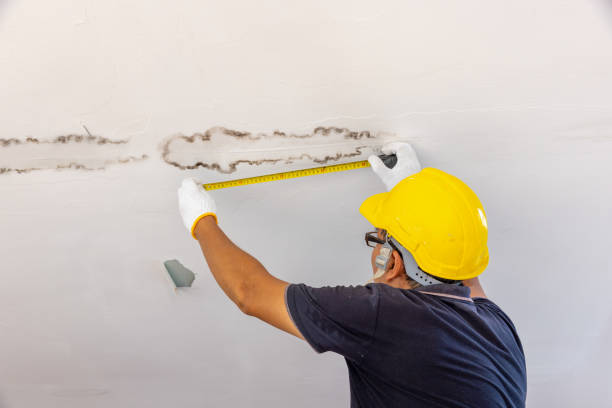

When people hear the term “mold inspection,” they often think of someone walking through a property with a flashlight, looking for dark spots on the walls. In reality, a proper Mold inspection goes far beyond what the eye can see. It is a systematic process designed to uncover hidden issues, analyze air quality, and provide clear guidance for keeping your environment safe.
Step 1: Initial Assessment
The process usually begins with a walkthrough and conversation. Inspectors want to know if you’ve noticed musty odors, recent leaks, or water damage. This information helps guide the inspection, pointing to areas where mold is most likely to develop.
Step 2: Advanced Detection Methods
Certified inspectors rely on more than visual checks. They use tools like:
- Moisture meters to identify damp surfaces behind walls and under flooring.
- Thermal imaging cameras to detect hidden water intrusion.
- Air sampling devices to measure spore levels and identify potential contamination.
These methods ensure that even hidden mold colonies are detected, not just the visible growth on surfaces.
Step 3: Detailed Reporting
Once the inspection is complete, you’ll receive a comprehensive report. This document typically includes:
- The types of mold present (if any).
- The areas affected and the severity of growth.
- Recommendations for remediation and prevention.
Such reports are particularly important if you’re filing an insurance claim or planning real estate transactions, as they provide independent, unbiased documentation of the property’s condition.
Why Inspections Matter
Mold isn’t just a cosmetic issue—it can trigger respiratory issues, aggravate allergies, and weaken building materials. Early detection through a professional inspection allows homeowners and businesses to take action before mold spreads and becomes more costly to address.
Final Thoughts
A proper Mold inspection is an investment in your health, property, and peace of mind. By understanding what the process involves, property owners can feel more confident about protecting their homes and workplaces from the hidden dangers of mold.