
West Java, known locally as Jawa Barat, is a province rich in cultural heritage and diverse traditions that are vividly reflected in its fashion. The clothing styles of West Java are a harmonious blend of traditional elements and contemporary influences, showcasing the region’s unique identity and evolving fashion trends.
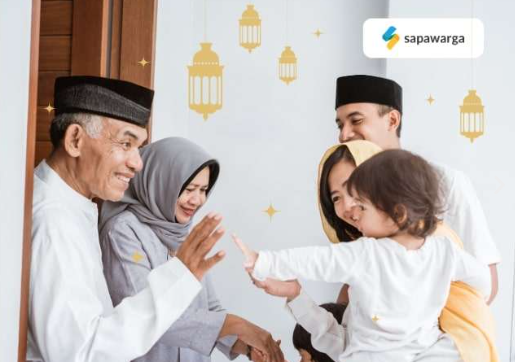
Traditionally, https://provjabar.org/ West Javanese attire is deeply rooted in the cultural practices of the Sundanese people, who are the predominant ethnic group in the area. One of the most iconic traditional garments is the Beskap, a formal jacket often worn during ceremonies and important events. Paired with Kebaya or Sampur, these outfits symbolize elegance and cultural pride. The traditional Sundanese attire emphasizes modesty, intricate embroidery, and vibrant colors that symbolize various aspects of life, such as prosperity, fertility, and spiritual harmony.
In rural areas and during traditional ceremonies, clothing remains deeply symbolic. Men often wear Pangsi (a traditional hat), while women adorn themselves with Kebaya Sunda and Sampur made from batik or songket fabrics. These textiles are distinguished by their detailed patterns and rich textures, often handcrafted to showcase local artistry. The colors used—such as red, yellow, and green—are not only visually striking but also carry cultural significance, representing vitality, happiness, and growth.
Modern fashion in West Java, especially in urban centers like Bandung and Bogor, reflects a dynamic interplay between tradition and contemporary trends. Bandung, famously dubbed the fashion capital of Indonesia, is a hub for innovative designers who incorporate traditional motifs into modern clothing. Streetwear, casual tees, and denim are common among the youth, but many incorporate motifs like batik or Sundanese patterns into their outfits, creating a fusion of old and new.
The influence of global fashion trends is also evident, yet there remains a strong emphasis on local fabrics and techniques. Young designers often use batik, tenun (weaving), and songket in their collections, promoting local craftsmanship while appealing to modern tastes. This cultural preservation through fashion not only fosters pride among locals but also attracts tourists interested in authentic Sundanese styles.
Festivals and cultural events serve as platforms for showcasing traditional clothing. During Karnaval Sunda or Ngamprah Festival, participants don traditional attire that highlights regional identity and cultural heritage. These events emphasize the importance of preserving local customs amid globalization.
In conclusion, the fashion culture in West Java is a rich tapestry woven from its historical roots and contemporary influences. It embodies a deep respect for tradition while embracing modernity, making it a vibrant expression of identity. Whether through traditional garments worn during ceremonies or modern streetwear infused with cultural motifs, West Java’s fashion scene continues to evolve, reflecting the dynamic spirit of its people and their history.