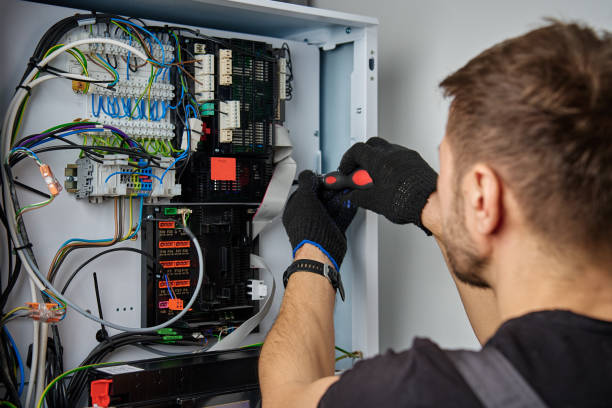

Homes are using electricity differently than they did even a decade or two ago. Electric vehicles, induction ranges, home offices, smart devices, high-efficiency heating and cooling systems, and backup power equipment can all place new demands on electrical infrastructure.
While homeowners often focus on the appliances and technology they want to add, the electrical system behind the walls deserves just as much attention. Understanding capacity, warning signs, and upgrade options can help homeowners make smarter decisions as their electrical needs evolve.
Why Household Electrical Demand Is Changing
Older homes were generally designed around the electrical needs of their era. A house built decades ago may have originally needed to support lighting, standard kitchen appliances, televisions, and a relatively limited number of electronics.
Modern households can look very different.
A garage may now contain an electric vehicle charger. A spare bedroom might function as a full-time office with computers, monitors, printers, and networking equipment. Kitchens increasingly include powerful electric appliances, while homeowners may also be considering solar equipment, battery storage, or a standby generator.
Each addition might seem manageable by itself. Collectively, however, they can significantly change how electricity is distributed throughout a property.
That does not automatically mean every older home requires a complete electrical overhaul. It does mean homeowners should consider the electrical infrastructure when planning substantial renovations or adding equipment with significant power requirements.
Signs an Electrical System Deserves Attention
Some electrical issues are obvious, while others develop gradually. Homeowners sometimes become accustomed to minor inconveniences without realizing they could indicate an underlying electrical problem.
Common signs worth investigating include:
- Circuit breakers that trip repeatedly
- Lights that frequently flicker or dim
- Outlets or switches that feel unusually warm
- Buzzing or crackling sounds around electrical components
- Too few outlets for the way rooms are currently used
- Heavy dependence on extension cords or power strips
- Older electrical panels that cannot accommodate planned equipment
- Circuits that struggle when multiple appliances operate simultaneously
A single tripped breaker does not necessarily indicate a major problem. Breakers are designed to interrupt a circuit under certain conditions. Repeated problems, however, deserve professional evaluation rather than simply resetting the breaker over and over.
Burning odors, visible scorching, sparking, smoke, or unusually hot electrical components should be treated more urgently. Electrical work also is not a good area for experimentation. Qualified electricians have the training and equipment needed to evaluate systems safely.
Plan Electrical Improvements Around the Whole Home
One of the most useful approaches to electrical upgrades is to think beyond the immediate project.
Suppose a homeowner wants to install an EV charger. The obvious goal is getting power to the garage, but a broader assessment can consider the home’s existing electrical capacity and other improvements likely to happen in the coming years.
Perhaps the homeowner also expects to remodel the kitchen, replace gas appliances with electric alternatives, install air conditioning, or add backup power. Knowing about those plans early can influence decisions about panels, circuits, wiring, and overall system design.
This type of forward planning can be particularly useful in established communities where homes were built long before today’s electrical technology became common. Homeowners researching electrical upgrades in the San Jose and broader Bay Area market can review Avant Electric as one example of the residential and commercial electrical services available for projects ranging from troubleshooting and rewiring to panel, EV charging, and backup-power work.
The broader lesson applies anywhere: electrical planning should account for where the property is going, not just what it needs today.
Consider Capacity Before Adding Major Equipment
Many modern home improvements have electrical requirements that go beyond plugging something into an ordinary outlet.
EV chargers are an obvious example. Depending on the charging equipment and installation, a dedicated circuit or other electrical modifications may be necessary. Electric ranges, heat pumps, water heaters, workshops, hot tubs, and other equipment can introduce additional loads as well.
Before installing major electrical equipment, homeowners should consider several questions:
- What are the power requirements of the new equipment?
- Does the existing electrical panel have appropriate capacity?
- Will a new dedicated circuit be required?
- Is the existing wiring suitable for the installation?
- Are other high-demand upgrades planned in the near future?
- Will permits or inspections be required for the project?
Thinking through these questions early can prevent a situation where a new appliance or piece of equipment arrives before the home is ready to support it.
Panel Upgrades Can Be Part of a Larger Strategy
The electrical panel acts as a central distribution point for circuits throughout a home. When homeowners add substantial electrical loads or renovate older properties, the panel often becomes part of the discussion.
A panel upgrade should not be treated as an automatic recommendation for every property. The appropriate solution depends on the existing system, current electrical demand, future plans, and applicable requirements.
That is why evaluation matters. A qualified electrician can examine the system and determine what changes, if any, are appropriate for the planned project.
Renovations Are an Opportunity to Think Ahead
Major remodeling projects can be an ideal time to reconsider electrical infrastructure.
When walls, ceilings, or other parts of a home are already being opened, homeowners may have opportunities to address wiring, outlets, lighting, and future electrical needs more efficiently than they would after the renovation is complete.
For example, a kitchen renovation might involve more than choosing new fixtures. Homeowners may need to consider appliance circuits, countertop outlets, lighting zones, and possible future equipment.
A garage renovation could include plans for EV charging, workshop tools, additional lighting, or battery equipment. A home-office project might require additional outlets and improved network infrastructure.
Planning these elements before construction begins can reduce last-minute changes and help create a finished space that better supports how the household actually lives.
Backup Power Is Becoming Part of Home Planning
Electrical preparedness is not limited to adding more capacity. Some homeowners are also thinking about what happens when utility power is unavailable.
Backup generators and battery systems can provide different forms of resilience, but choosing an appropriate setup requires understanding which parts of the home need power during an outage.
Instead of assuming everything must operate normally, homeowners can identify essential loads. These might include refrigeration, communications equipment, selected lighting, medical equipment where applicable, heating or cooling components, or other household priorities.
From there, an electrical professional can help determine what type of system and electrical configuration may be appropriate.
The key is to consider backup power as part of the home’s overall electrical plan rather than as an isolated appliance purchase.
Preventive Attention Can Reduce Surprises
Homeowners frequently interact with plumbing, roofing, heating, and cooling systems through routine maintenance, yet electrical infrastructure can remain largely unnoticed until something stops working.
That makes periodic attention valuable, especially in older properties or homes undergoing major changes.
An electrical assessment can help identify aging components, unusual conditions, capacity limitations, or areas that may need further attention. It can also provide useful information before a homeowner commits to a renovation or major equipment purchase.
Documentation is helpful as well. Keeping records of electrical improvements, permits, equipment specifications, and previous work can make future projects easier to plan.
Build an Electrical System for the Home You’re Creating
A modern home is increasingly an interconnected electrical environment. Transportation, cooking, climate control, entertainment, work, security, and even emergency preparedness may all depend on reliable power.
For homeowners, the goal is not necessarily to install the biggest or most elaborate electrical system possible. It is to have infrastructure that appropriately supports the property, current usage, and realistic future needs.
That starts with recognizing warning signs, considering electrical capacity before adding major equipment, and coordinating electrical planning with renovations and technology upgrades. Whether the next project involves an EV charger, new lighting, a remodeled kitchen, backup power, or a larger electrical upgrade, looking at the home as a complete system can lead to better long-term decisions.
Electrical projects should be evaluated and performed by appropriately qualified professionals, with applicable permits, inspections, and local requirements taken into account. With thoughtful planning, homeowners can create electrical infrastructure that supports both the way they live today and the technology they may adopt tomorrow.