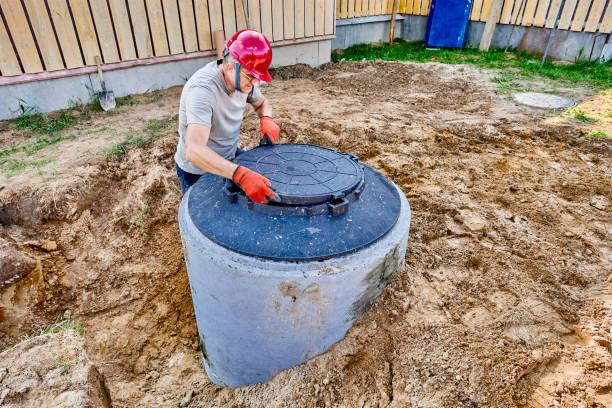

For properties outside municipal sewer networks, a septic system is an essential part of everyday life. Yet installing one involves much more than choosing a tank and digging a hole. Soil conditions, property layout, system design, permitting, and long-term maintenance all play a role in determining whether a new system will perform reliably.
Understanding the installation process before work begins can help homeowners make informed decisions, prepare their property, and avoid unnecessary complications. Whether the project is for a newly constructed home or a replacement system, careful planning is the foundation of a successful installation.
Start With the Property, Not the Septic Tank
Every property is different, which means there is no single septic design that works everywhere. Before deciding on a particular system, the characteristics of the site need to be considered.
Soil is one of the most important factors. Septic systems rely on the surrounding soil to manage wastewater after it leaves the tank. The soil’s composition, drainage characteristics, and available depth can influence which type of system is appropriate.
The property’s physical layout matters as well. Installers may need to consider the location of the home, wells, property boundaries, driveways, structures, slopes, utilities, and other features when determining where system components can be placed.
Available space can become particularly important on smaller or heavily developed properties. A location that appears suitable at first glance may have limitations that only become apparent during a professional site evaluation.
Understand That Septic Systems Come in Different Designs
Many homeowners picture a conventional septic tank connected to a drain field when they think about septic systems. While conventional systems remain common, they are only one possibility.
Depending on site conditions and local requirements, a property may require or benefit from another design. Examples can include aerobic treatment systems, low-pressure dosing systems, drip distribution systems, and other configurations designed for particular soil or site conditions.
This is why selecting a system based solely on price can be a mistake. A lower-cost design is not necessarily appropriate for every property.
A professional evaluation generally considers factors such as:
- Soil and drainage characteristics
- Household wastewater needs
- Available installation area
- Property elevation and slope
- Local permitting requirements
- Placement of buildings, wells, and utilities
- Future access for maintenance and service
The objective is to match the system to the property rather than attempting to make the property accommodate an unsuitable system.
Know What Happens During the Installation Process
A septic project usually involves several stages before excavation equipment arrives. Understanding these steps can make the experience considerably less confusing for a homeowner.
Site Evaluation and Planning
The process typically begins with gathering information about the property and evaluating the proposed installation area. This helps determine what type of system may be suitable and where its components can be located.
Once the necessary information has been collected, the contractor can develop the project’s scope and provide an estimate.
Engineering and Permitting
Depending on the system and jurisdiction, engineering, permitting, or other approvals may be required before installation can begin. Requirements can vary, making local experience particularly useful.
Homeowners considering septic installation by Weaver Excavating can see an example of a process in which estimating, engineering, permitting, and installation are treated as connected stages rather than isolated tasks.
Handling these requirements early can reduce the likelihood of discovering a regulatory or design problem after excavation has already started.
Excavation and Installation
Once approvals are in place, excavation can begin. The contractor prepares the site, installs the tank and associated system components, and connects the system according to the approved design.
Heavy equipment is often necessary, so homeowners should expect some temporary disturbance to the installation area. Discussing equipment access and site restoration beforehand can prevent surprises.
Inspection and Completion
Required inspections generally occur at designated stages of the project. Once the system satisfies applicable requirements and installation is complete, excavated areas can be backfilled and the property can begin returning to normal.
Prepare Your Property Before Work Begins
Homeowners can make installation easier by doing some preparation in advance. One of the first considerations should be equipment access.
Septic installation can require excavators, trucks, materials, and other equipment to reach areas that ordinary vehicles rarely access. Gates, fences, landscaping, low branches, parked vehicles, or stored materials can interfere with that process.
Ask the contractor where equipment will enter the property and which areas need to remain clear.
It is also useful to discuss what happens to displaced soil. Excavation produces a substantial amount of material, and homeowners should understand whether excess soil will remain on the property, be redistributed, or be removed.
Existing underground utilities are another important consideration. Utility-location procedures should be followed before excavation, while privately installed lines or features may also need to be identified.
Finally, homeowners should discuss restoration expectations. Septic installation is construction work, and even a carefully managed project will disturb the ground. Knowing which areas will be affected makes it easier to plan future grading, landscaping, or lawn repairs.
Think Beyond Installation Day
A septic system should be viewed as long-term property infrastructure. Decisions made during installation can affect maintenance for years.
Homeowners should know where major system components are located and retain relevant documents after the project is finished. Records concerning system design, permits, inspections, and service history may be useful for future maintenance and can also provide valuable information when the property changes ownership.
Access is equally important. Tanks, treatment equipment, pumps, and other serviceable components should remain accessible where applicable. Covering important access points with permanent structures or major landscaping can make future maintenance unnecessarily difficult.
Household habits matter, too. Septic systems are designed to manage normal wastewater loads, not every substance that can be poured or flushed down a drain. Being mindful of what enters the system and avoiding unnecessary hydraulic overload can support reliable operation.
Systems containing mechanical or treatment components may have additional service requirements compared with basic conventional designs. Homeowners should understand those responsibilities from the beginning rather than waiting until a problem develops.
Ask Questions Before Approving the Project
A good installation process should leave homeowners with a clear understanding of what they are purchasing. Before approving a project, ask the contractor to explain the proposed system and the reasoning behind it.
Useful questions include what type of system is being proposed, why it suits the property, which permitting steps are involved, how long the project may take, what areas of the property will be disturbed, and what maintenance will be required afterward.
The answers should provide a reasonably complete picture of both the immediate project and future responsibilities.
Price is naturally important, but comparing estimates requires looking beyond the final number. Two proposals may include different equipment, permitting responsibilities, site preparation, system designs, or restoration work. Understanding what is included makes comparisons much more meaningful.
Conclusion
Installing a septic system is a significant property improvement that combines site planning, wastewater management, excavation, permitting, and construction. The most successful projects begin with a careful assessment of the property and a system design suited to actual site conditions.
Homeowners can prepare by learning about the proposed system, understanding the installation sequence, planning for equipment access, and asking about long-term maintenance before approving the work. Working with an experienced local septic and excavation contractor can also simplify a project that might otherwise involve several separate stages and responsibilities.
With thoughtful planning from the beginning, a new septic installation can become dependable infrastructure that serves the property effectively for years to come.