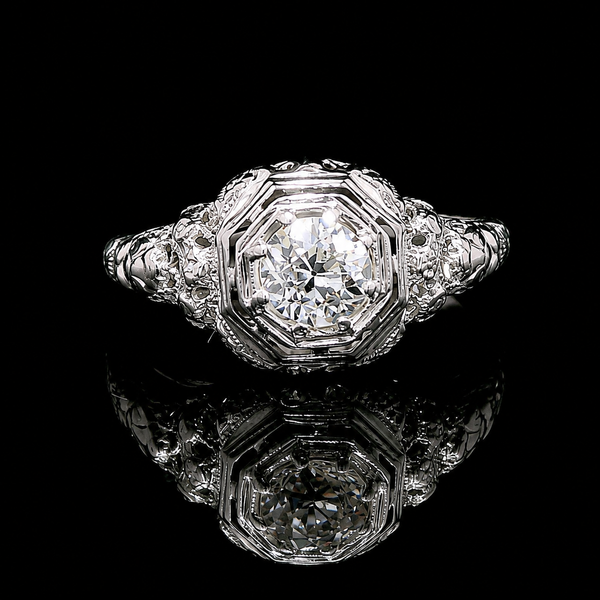

Shopping for Vintage Engagement Rings often begins with a detail you cannot stop thinking about: an engraved band, a softly rounded stone, or a setting unlike the others you have seen. That first attraction matters, but choosing a ring also means considering how it will fit, feel, and hold up to regular wear.
A useful search combines personal taste with practical questions. Before committing, take time to understand what the seller means by vintage, examine the ring beyond its best photograph, and work out which details matter most to you.
1. Understand What You Are Buying
An older appearance does not establish a ring’s age. A recently made ring can borrow details from an earlier period, while an estate ring simply means a previously owned piece. Ask the seller to explain the wording in the description rather than assuming these terms mean the same thing.
Find out whether the ring is attributed to a particular period and what supports that assessment. Also ask whether the stone and mounting are believed to be original to one another. An older diamond in a newer setting may still appeal to you, but that history should be clear before you decide.
Avoid filling gaps in the description with an imagined story. A romantic design does not prove who wore the ring or why it was made. Treat documented details as facts and an unknown past as exactly that.
2. Let Your Everyday Style Guide the Search
Look at the jewelry you reach for most often. Notice the metal colors, shapes, and amount of decoration you enjoy wearing, then use those preferences to narrow your choices. Someone who loves simple earrings may still prefer an elaborate ring, but it helps to make that choice deliberately.
Save a small selection of photographs and identify what the rings have in common. Perhaps you keep choosing rectangular outlines or decorative shoulders. Describing those features is more useful than searching for something that merely feels timeless.
When comparing vintage engagement rings, give the complete design as much attention as the center stone. Consider the balance between the stone, its setting, and the width of the band. A ring with a smaller center stone may be your favorite because of how those elements work together.
Imagine wearing each option with a casual outfit as well as formal clothing. An engagement ring becomes part of ordinary life, so your shortlist should reflect your own habits and preferences. A design that photographs beautifully should also feel comfortable and familiar on your hand.
3. Examine Condition Beyond the Main Photograph
Ask for clear views from above, below, and both sides. A short video can help you understand the ring’s proportions, while close-up photographs can show details that a single listing image leaves unclear. Keep in mind that photographs cannot replace a qualified jeweler’s physical inspection.
Older rings can have worn prongs or other signs of use that deserve professional attention. Ask whether the piece has been inspected, what repairs have been completed, and whether any work is recommended before regular wear. Cosmetic wear and a loose stone call for different responses.
Keep the seller’s answers with your notes for each ring. These questions can help make the conversation specific:
- Have any stones been replaced, and are known alterations described?
- Has a jeweler checked the stone settings and the band?
- Are there repairs or maintenance needs to budget for now?
- What written description and available documentation accompany the ring?
A common mistake is accepting a phrase such as “excellent vintage condition” without asking what it covers. Request a straightforward explanation of the ring’s condition and any limitations. Clear answers help you compare pieces without relying entirely on appearance.
4. Check Fit, Daily Wear, and the Full Cost
Confirm that the specific ring can be resized to your finger before purchasing. Ask whether resizing could affect its pattern or construction, what size change is feasible, and how long the work would take. Do not assume every ring offers the same flexibility.
If you plan to wear a wedding band beside it, try the two together or request advice about the fit. You might prefer a straight band, a curved shape, or a visible gap. The goal is a pairing you like that a jeweler considers suitable for wearing together.
Think about practical situations, including wearing gloves, gardening, or handling equipment. Ask when the ring should be removed and which cleaning methods suit its stones and condition. Those conversations can reveal whether the care involved fits your routine.
Set a total budget that accounts for any necessary work, then confirm the return terms before paying. If resizing affects return eligibility, understand that restriction in advance. For a surprise proposal, ask about sizing arrangements before making permanent changes.
5. Choose With Clear Answers
A good shortlist leaves you with a few rings you would enjoy wearing and a manageable set of unanswered questions. Compare their condition, comfort, documentation, and total cost alongside the details that first attracted you. Give yourself room to walk away when an essential question remains unresolved.
When reviewing a specialist collection such as Gesner Estate Jewelry, use the same checklist for every piece that interests you. Ask about the individual ring’s history, fit, and care rather than relying on the collection description alone. The right choice is one whose appearance you enjoy and whose practical requirements you understand.