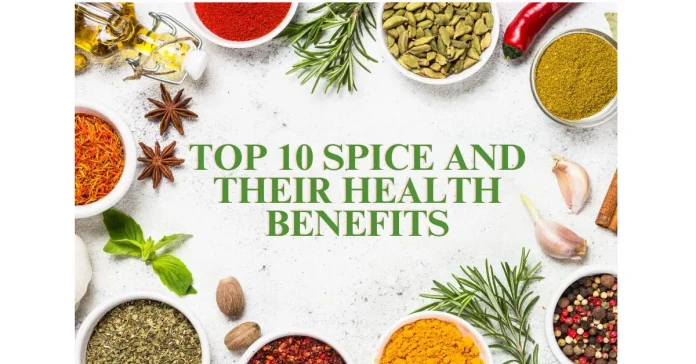

Indian food is well known throughout the world for its mouthwatering flavors, vivid hues, and fragrant spices. The secret ingredient in every curry, biryani, or masala is the meticulous blending of spices, which are valued in India for both their culinary and medicinal qualities. Indian cuisine and health have been connected for thousands of years, making spices an essential component of both traditional medicine and the kitchen. Indian food is not only tasty but also incredibly nourishing because of this harmony between taste and health.
Examining the most popular spices in Indian cookery tells an intriguing tale of science, culture, and history. These spices are powerful natural substances that improve immunity, aid with digestion, and lower inflammation in addition to being flavor enhancers. Let’s explore the health advantages that make 10 of the most important spices in Indian cooking so unique.
Above all, turmeric is arguably the most recognizable Indian spice. Its vivid yellow color makes it readily identifiable, and it is a main ingredient in recipes like golden milk and dal. Beyond its culinary applications, turmeric is well-known for its potent anti-inflammatory and antioxidant active component, curcumin. According to scientific research, curcumin may promote heart health and aid in the management of long-term illnesses like arthritis. Turmeric is utilized in traditional Ayurveda to improve skin health, cleanse the blood, and even promote wound healing. Turmeric balances richer components in cooking by adding an earthy warmth and a little bitter undertone.
Cumin, a spice with a unique warm, nutty flavor and a touch of citrus, is next on the list. Cumin seeds, which are the foundation of many spice blends including curry powders and garam masala, are frequently dry-roasted or fried in oil to unleash their aroma. Because it promotes the release of digestive enzymes, which aid in better food digestion and nutrient absorption, cumin is well known for its digestive advantages. It is also known to promote respiratory health and have antibacterial properties. Cumin is a basic ingredient that adds complexity and harmony to Indian food, whether it is added to rice or dusted over lentils.
Coriander is another vital spice. It can be either the dried seeds, which are used whole or powdered, or the fresh leaves, which are called cilantro. The flavor of coriander seeds is lemony, slightly sweet, and earthy. They add richness and brightness to many Indian cuisines, making them an essential component. In terms of health, coriander seeds have long been used to lessen bloating, enhance digestion, and assist control blood sugar. Additionally, they have antimicrobial qualities that could aid in the fight against infections.
Often referred to as the “queen of spices,” cardamom lends a fragrant, flowery flavor to both savory and sweet recipes. Black and green cardamom are the two primary types used in Indian cookery. While black cardamom adds a smoky, powerful flavor to heavy meat preparations, green cardamom is more frequently used in rice dishes, sweets, and chai tea. In addition to its flavor, cardamom is widely valued for its therapeutic properties. It is well recognized to improve breath, ease nausea, and facilitate digestion. Its anti-inflammatory and antioxidant qualities help promote general health.
Cloves are little but potent spices that have a sweet, somewhat bitter flavor and a strong, pungent scent. Cloves are used sparingly in Indian cooking, appearing in masalas, spice blends, and biryanis. In addition to its culinary use, cloves have long been known for their ability to relieve pain, especially toothaches. Eugenol, a substance having antibacterial and anti-inflammatory properties, is present in them. Cloves may also help control blood sugar levels and aid in digestion.
Going on, mustard seeds are a common ingredient in many Indian kitchens, particularly in Bengal and South India, where it is customary to temper spices in heated oil on a regular basis. When cooked, mustard seeds add a unique scent and a strong, nutty flavor. Omega-3 fatty acids and selenium, which are abundant in these tiny seeds, support heart health and lower inflammation. Additionally, mustard seeds have antifungal and antibacterial qualities, which improve general health.
Often referred to as the “king of spices,” the hot black pepper is well-deserving of its importance in Indian cooking. Black peppercorns provide meals and spice mixtures depth and spiciness. In terms of health, black pepper is a potent ingredient in Indian food because it includes piperine, a substance that improves the absorption of minerals like curcumin from turmeric. It possesses antioxidant qualities that shield cells from harm, aids in the treatment of colds and coughs, and promotes digestion.
Fenugreek, another popular spice, is distinguished by its nutty, somewhat bitter taste. Fenugreek seeds can be sprouted for salads and are commonly used in pickles and curry powders. Fenugreek, which is used as a digestive aid in Ayurveda, also helps decrease cholesterol and regulate blood sugar. Additionally, it contains anti-inflammatory qualities and has long been used to help nursing moms breastfeed more easily.
The unusual spice known as asafoetida, or hing, has a strong, pungent perfume that, when cooked, mellows into a flavor evocative of onions and garlic. It’s particularly crucial for providing variety and depth to vegetarian Indian cuisine. Asafoetida is prized for its digestive properties, which include lowering acidity, gas, and bloating, despite its strong raw odor. It is a nutritious addition to many recipes because it also possesses antibacterial and anti-inflammatory qualities.
Lastly, cinnamon is a spicy, sweet spice that is commonly used in tea, biryanis, and Indian delicacies. In many blends, the familiar and reassuring flavor of cinnamon counterbalances more potent spices. Cinnamon has been used medicinally to enhance heart health, lower inflammation, and improve blood sugar regulation. Its antioxidant qualities enhance cellular health generally and combat free radicals.
The most intriguing thing about these spices is how they have historically been blended in Indian cooking to optimize flavor and health benefits. Turmeric, cumin, coriander, mustard seeds, and black pepper are frequently combined in simple lentil or curry dishes to produce a complex medley of flavors and medicinal benefits. The ancient Indian notion that food is medicine is embodied by the way these spices work together to improve digestion, encourage circulation, and even strengthen immunity.
The harmony of heat, sweetness, bitterness, and pungency that these spices add to a meal is another outstanding feature. In addition to pleasing the mouth, this balance aids in digestion by promoting the synthesis of bile and enzymes. While some spices, like mustard seeds and black pepper, improve metabolism and nutritional absorption, others, like asafoetida and fenugreek, calm the digestive system.
Many spices are utilized externally in traditional Indian medical and cosmetic practices in addition to their internal effects. Because of its antibacterial and anti-aging qualities, turmeric paste is applied topically. One natural remedy for pain is clove oil. Because of their aromatic and restorative properties, cardamom and cinnamon are used in DIY beauty treatments.
Although these spices have many health advantages, it’s crucial to remember that they should only be used sparingly and as part of a balanced diet. Because of their potency, a little goes a long way, and Indian cooking customs use them in well-balanced combinations that are nourishing without being overpowering.
Indian spices provide a delectable reminder of the power of food to promote natural healing in a society where processed and fast foods predominate. Including these spices in regular meals is a useful method to promote health organically as well as a celebration of culture and flavor.
These spices link you to centuries of custom, knowledge, and overall health, whether it’s the soothing scent of cardamom in your chai, the sharp crunch of mustard seeds bursting in heated oil, or the golden glow of turmeric warming your dal. They encourage you to enjoy every meal because they know it feeds your body and spirit.
Essentially, the top 10 Indian cooking spices—cardamom, cloves, mustard seeds, black pepper, fenugreek, asafoetida, cinnamon, cumin, coriander, and turmeric—are much more than just basic ingredients. Because of their capacity to turn meals into therapeutic experiences, Indian culture carefully selects and honors these gifts from nature. Using these spices to explore Indian cuisine is like discovering a treasure trove of flavor and health benefits that continues to motivate chefs, dietitians, and food enthusiasts around.