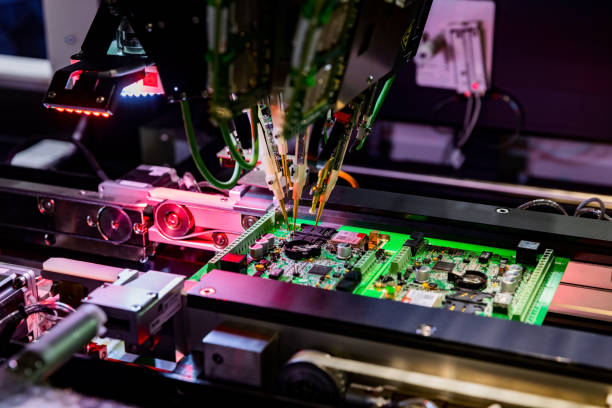

It’s funny how we tend to celebrate the finished products—the shiny smartphones, the sleek laptops, the smart speakers that practically know us better than our friends. But the real magic is often tucked away inside, hidden in the tiniest parts that make the whole thing possible. Think of it like baking: people admire the cake, but without flour, eggs, or that pinch of baking powder, it’s just a messy bowl of sugar and milk. Technology is no different. Every breakthrough, every “wow” moment, quietly depends on those unsung heroes—electronics components—that rarely get the spotlight.
Now, I’m not talking about glamour here. A resistor or capacitor isn’t exactly Instagram-worthy. But without them, your gadgets wouldn’t even power up. These small but mighty parts decide whether your phone charges smoothly, your headphones deliver crisp sound, or your car’s sensors keep you safe on the road. They’re the invisible framework, like the skeleton beneath your skin—unseen, but absolutely essential.
The World Built on the Tiny and the Technical
Imagine taking apart a modern device (though I don’t recommend cracking open your new phone unless you’re cool with voiding warranties). Inside, it’s like peeking into a miniature city. There are circuits laid out like highways, diodes acting as traffic signals, and microchips—those brain-like clusters—running the show.
This isn’t just engineering; it’s poetry in solder and silicon. Each component has a role, and when combined, they orchestrate a symphony of functions we take for granted. The fact that pressing one button can wake up a computer, connect it to Wi-Fi, open twenty browser tabs, and stream a video—without crashing (usually)—still blows my mind.
But there’s more to the story. The demand for smaller, faster, and more energy-efficient parts pushes innovation further than most of us notice. Every new generation of tech relies on someone, somewhere, rethinking how these tiny building blocks can be made just a little better.
Why Connectivity Changed the Game
If there’s one thing that’s reshaped how we live, it’s connectivity. Gone are the days of tangled wires snaking across the floor just so you could transfer a file or listen to music. Today, everything feels wireless, seamless, instant. And the little modules that make that possible deserve some credit.
Think about bluetooth modular technology for a second. It may not sound thrilling, but it’s the reason your phone talks to your car stereo, your smartwatch nudges you with reminders, and your wireless earbuds never seem to leave your ears. It’s modular in the sense that these compact systems can be slotted into almost any device, adding that magical ability to connect without cables.
It’s not just convenience either. Bluetooth has redefined industries: fitness gear that tracks your every move, medical devices that monitor health in real-time, even industrial machines that whisper data back to central systems. What once felt futuristic is now as ordinary as unlocking your phone with a thumbprint.
The Overlooked Human Side of Tech
The thing is, we don’t always think about how these tiny parts shape our daily lives. A resistor isn’t just a resistor when it helps keep the voltage steady in your laptop while you’re pulling an all-nighter. A sensor isn’t just a sensor when it makes sure your car brakes faster than you could react.
Technology, at its heart, is about people. It’s about making life smoother, safer, sometimes even more joyful. The small parts hidden inside our devices don’t get awards or glossy marketing campaigns, but they quietly carry the responsibility of making sure everything works the way it should.
And honestly, that makes me appreciate them even more. It’s easy to admire a gadget for its design or interface, but there’s a certain humility in recognizing the invisible army behind the curtain.
Innovation Hides in the Details
One fascinating part of this whole picture is how incremental progress builds revolutions. A slightly more efficient capacitor might not make headlines, but multiply that across millions of devices and suddenly you’re saving enough energy to power small towns. A new design for an antenna might seem minor, yet it could be the difference between your call dropping in a basement or going through crystal-clear.
Even the shift toward sustainable technology relies heavily on these building blocks. Eco-friendly electronics aren’t just about recycling old phones—they’re about designing smarter parts that consume less power, last longer, and reduce waste. The future of green tech isn’t flashy solar panels or electric cars alone; it’s also the humble improvements happening deep inside every circuit board.
Looking Ahead: The Next Chapter of Small Wonders
So, where does this all go from here? If history’s any guide, we’re heading toward even more invisible yet powerful innovations. Smaller chips that can handle bigger tasks, wireless modules that connect not just phones and wearables but entire smart cities, components designed with sustainability baked in.
The exciting (and maybe slightly overwhelming) reality is that we’re barely scratching the surface. The internet of things, artificial intelligence, augmented reality—they all hinge on the reliability and creativity of the small stuff. Without it, the big dreams collapse. With it, the possibilities feel limitless.
A Thought to Carry with You
Next time you plug in your phone, adjust your thermostat with an app, or toss on wireless headphones, pause for a second. Underneath that smooth interface, there’s an army of unsung heroes working together. You may never see them, you may never name them, but they’re the reason modern life runs as effortlessly as it does.
And maybe, just maybe, it’s worth giving them a silent nod of gratitude. After all, greatness often begins with the smallest details.