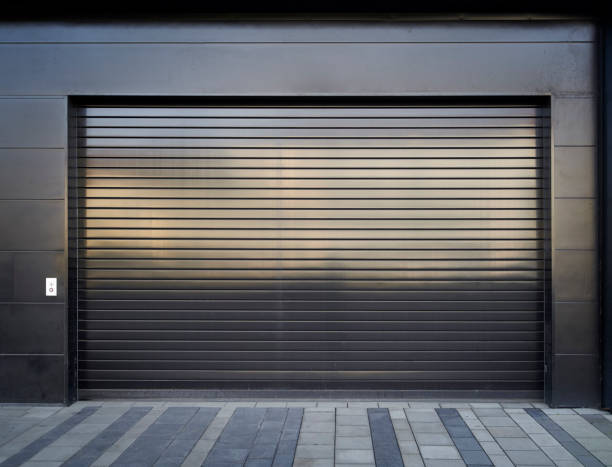

A reliable garage door is one of the most important components of your home’s exterior. It acts as a primary security barrier, shields your vehicles and storage from unpredictable weather, and contributes significantly to your property’s overall curb appeal. Because a garage door opens and closes thousands of times over its lifespan, the hardware components naturally experience wear and tear. When your opener malfunctions, springs stretch, or cables fray, getting a professional evaluation right away ensures your home remains safe and accessible. To secure expert service and upfront pricing tailored to your needs, get a free estimate now to keep your door operating at peak performance.
Anatomy of an Overhead Garage Door
To spot potential problems early, it helps to understand how the core mechanical parts of your overhead garage door work together:
- Torsion & Extension Springs: Counterbalance the door’s physical weight so that lifting it manually or via an automatic motor requires minimal energy.
- Lifting Cables: High-strength steel cables that coordinate with the springs to raise and lower the door panels evenly.
- Tracks and Rollers: Metal guide rails and wheel bearings that direct the door’s vertical movement along the walls and ceiling.
- Garage Door Opener: The motorized motor unit that controls movement speed, remote signals, and auto-reverse safety features.
Warning Signs Your System Needs Care
Catching performance issues early prevents minor mechanical glitches from turning into expensive structural repairs. Look out for these common warning signs:
Loud Grinding or Squeaking
Unusual squeaking typically points to dry hinges or unlubricated roller bearings. Loud grinding noises usually indicate friction inside the track channels or worn internal drive gears within the opener motor.
Immediate Reversing Mid-Closing
If your garage door begins to lower and instantly reverses back up, the safety photo-eye sensors near the ground are likely dirty, misaligned, or obstructed by small items.
Slow or Strained Movement
A delay between pressing your remote button and the door moving—or a motor that visibly strains during lifting—often signals weakening torsion springs or stretched cables.
Crooked or Off-Track Panels
A door that appears slanted as it rises usually indicates a snapped lifting cable or unequal tension between the springs on either side of the setup.
Essential Maintenance Checklist
Following a regular preventative maintenance routine extends the operational lifespan of your garage door while maintaining quiet performance month after month:
- Step 1: Perform a Visual Inspection
- Examine cables, springs, hinges, and track brackets for visible rust, fraying, or cracking. Never touch high-tension components directly.
- Step 2: Clean the Track Channels
- Wipe down the inner track grooves with a clean cloth to clear away dust, cobwebs, and hardened grease buildup that could snag rollers.
- Step 3: Test Auto-Reverse Safety Sensors
- Place a small piece of wood flat on the ground beneath the open door. Lower the door using your remote; upon contact with the wood, the door should instantly reverse direction.
- Step 4: Lubricate Moving Metal Parts
- Apply a silicone- or lithium-based spray lubricant to hinges, steel rollers, and spring coils twice a year to maintain whisper-quiet motion.
DIY Maintenance vs. Professional Service
Knowing which tasks are safe for homeowners—and which demand specialized tools—is critical for personal safety and system safety.
| Maintenance Task | Safe for DIY? | Professional Recommended? |
|---|---|---|
| Sensor Lens Cleaning | Yes | No |
| Hinge & Roller Lubrication | Yes | No |
| Track Debris Cleaning | Yes | No |
| Torsion Spring Replacement | No | Yes (High Pressure Risk) |
| Cable Snap Repair | No | Yes (High Pressure Risk) |
| Track Realignment | No | Yes |
| Opener Motor Repair | No | Yes |
Critical Safety Note: Torsion springs and cable assemblies store extreme mechanical tension. Attempting to loosen, adjust, or replace them without specialized winding equipment can cause severe physical injury. Always leave high-tension repairs to qualified technicians.
Key Benefits of Upgrading Your System
Upgrading aging garage door parts or replacing an outdated opener system delivers several immediate benefits for your home:
- Enhanced Home Security: Modern garage door openers utilize rolling code technology, preventing unauthorized devices from intercepting your remote access signal.
- Lower Energy Costs: Insulated door panels limit heat transfer, helping maintain comfortable temperatures in your garage throughout both summer and winter.
- Quiet Operation: Swapping old steel rollers for sealed nylon-coated rollers cuts operational noise dramatically.
- Boosted Exterior Value: A clean, stylish garage door instantly elevates your property’s overall curb appeal and market appraisal.
Keep Your Garage Door Safe & Dependable
Staying consistent with simple visual checks and relying on professional expertise for high-tension spring, cable, or motor repairs ensures your garage door remains quiet, secure, and dependable every single day