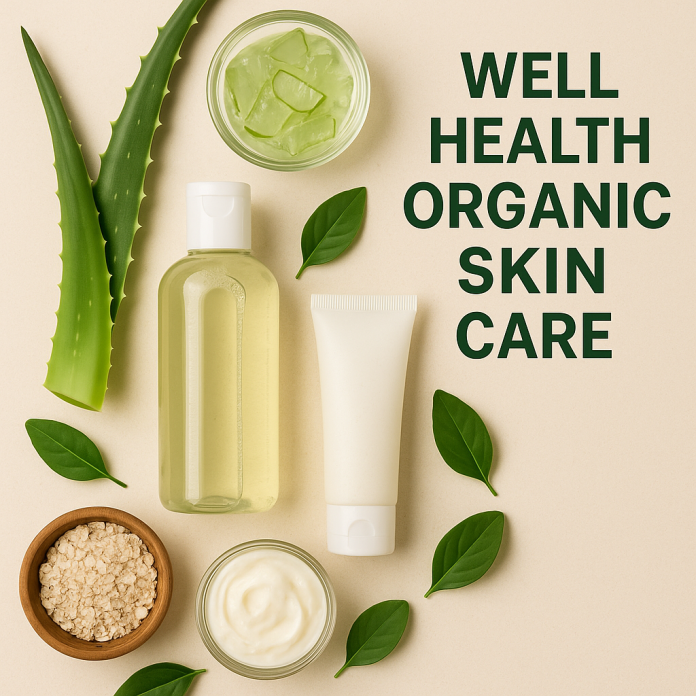

One thing has been the same in the world of ever changing wellness trends: our desire to take care of ourselves in the most nourishing and natural way possible. Nowadays, skin care is about wellness more than just appearance or vanity. The largest organ in the body, our skin is a reflection of our lifestyle as well as the things we put on it. The drive to organic skin care is more than simply a fad; it’s a movement that honors purity, simplicity, and the close relationship between nature and human health.
The foundation of organic skin care is the idea that the products we use on our skin ought to be as pure and healthful as the food we consume. It embraces the notion that employing earthly materials—plants, herbs, flowers, and oils—grown without the use of harsh chemicals, synthetic fertilizers, or pesticides is what truly creates beauty. This method promotes the planet’s health in addition to caring for the skin. More consumers are questioning the ingredients in their goods as a result of growing awareness of dangerous compounds like parabens, sulfates, and artificial perfumes. And for good reason—a large amount of what we put on our skin is absorbed, and over time, those compounds can affect our immune, hormones, and general health.
Making the switch to organic skin care involves more than just selecting “natural” products or reading labels. It all comes down to being more deliberate and aware of what we let into our self-care routines. Quick results are promised by many traditional products, but frequently at the expense of sustainability or long-term health. Conversely, organic substitutes typically harmonize with the body’s natural cycles. Although they can need more effort, the benefits—beautiful, robust, and genuinely healthy skin—are frequently more profound and long-lasting.
The simplicity of organic skin care products’ ingredients is one of their most potent features. Instead of requiring dozens of chemical ingredients, a single oil, such as cold-pressed jojoba or rosehip, can provide hydration, nourishment, and healing. For millennia, people from many cultures have utilized aloe vera, raw honey, turmeric, and shea butter for their calming and restorative qualities. By lowering inflammation, preserving the skin barrier, and promoting internal regeneration, these substances do more than just heal the skin; they support it holistically.
Additionally, genuine organic skin care has a deeper connection to wellness. It invites you to slow down and pay attention. It encourages a more thoughtful approach rather than hurrying through a routine. Cleaning your face turns into a time to take a deep breath and relax. Applying oil to your skin turns it from a duty into a self-love activity. These little moments add up to a lifestyle that prioritizes nature over manufactured fast cures, balance over perfection, and caring over control.
The decreased chance of discomfort and allergic responses is one of the main advantages of utilizing organic goods. Particularly in those with reactive or acne-prone skin, a number of synthetic chemicals have been shown to induce irritation or disturb the skin’s natural microbiome. Because they are more closely related to their natural state, organic ingredients frequently include a wide range of healthy substances, including as vitamins, antioxidants, and vital fatty acids, that complement the skin rather than shock it. For those who suffer from problems like rosacea, eczema, or dryness, where the skin’s barrier need gentle, supportive treatment, this is especially crucial.
Additionally, the connection between skin health and mental and emotional well-being is becoming more widely acknowledged. Skin disorders can be caused by stress, sleep deprivation, poor nutrition, and emotional imbalances. By its very nature, organic skin care encourages a more deliberate, slower self-care regimen that helps relieve stress. Not only may rituals like gua sha massage with plant oils, DIY masks made with natural materials, or facial steaming with herbal mixes help your complexion, but they can also help you center your energy, relax, and take a break from your hectic day.
Another important factor driving the trend toward organic alternatives is the environmental impact of the products we use on our skin. In addition to harming humans, many traditional goods contain substances that pollute the environment and destroy marine life by washing down our drains and entering water systems. Examples of chemicals present in personal care products that are dangerous outside of the restroom include petroleum-based compounds, synthetic scents, and microbeads. When truly produced and obtained ethically, organic products typically include eco-friendly packaging and biodegradable components, which lessens your overall environmental impact.
Although there are many advantages to using organic skin care products, it’s crucial to make the transition with purpose and common sense. The term “organic” does not necessarily indicate that a product is superior or appropriate for all consumers. Inaccurate labeling and deceptive marketing are common in the beauty industry, especially the natural sector. Many brands utilize terms like “green,” “clean,” or even “natural” in an unregulated manner. Doing some research, looking for certifications like USDA Organic or Ecocert, and—most importantly—learning to understand ingredient lists are all helpful steps toward embracing organic skin care.
Creating an organic skin care regimen can be as easy or complex as you like. Beginning with a mild botanical cleanser, a nourishing floral mist, a nutrient-rich face oil, and a natural sunscreen during the day might be the foundation of a simple yet effective routine. A serum with natural active ingredients, such as vitamin C from amla or exfoliating enzymes from fruit extracts, could be added at night. Without the roughness of artificial peels or washes, weekly treatments such as clay masks combined with raw honey or turmeric masks blended with yogurt can provide thorough cleansing and renewal.
In the organic world, do-it-yourself skin care is equally popular. It can be really fulfilling to make your own blends at home with ingredients from your garden or kitchen. For instance, you could use almond milk and ground oats to produce a mild exfoliator, or you could use aloe vera gel and cucumber puree to make a soothing mask. These DIY alternatives provide you complete control over what you apply and can be tailored to the requirements of your skin. It’s crucial to exercise caution, though, as natural products aren’t necessarily appropriate for all skin types. When it comes to DIY skin care, patch tests and ease of use are your friends.
Taking an organic approach to skin care also encourages you to focus more on your lifestyle in general. Your skin is more impacted by your diet, water intake, sleep quality, and stress management than we frequently believe. As great of an impact as any topical treatment can be achieved by consuming antioxidant-rich fruits and vegetables, drinking herbal teas, and reducing processed meals. The skin reacts with clarity and vitality when your outward care and internal well-being are in harmony.
Reconnecting with reality is more important for skin care in the future than simply using more potent synthetic chemicals or cutting-edge technology. The need for integrity, sustainability, and transparency in skin care will only increase as customers become more knowledgeable and aware. When made with love and regard for the environment and people, organic goods are more than just cosmetics; they are instruments for empowerment, healing, and consciousness.
In the end, choosing to live in harmony is what organic skin care and good health are all about. It’s about realizing the interdependence of the world, our bodies, and natural cycles. It’s about having faith in the inner beauty, the wisdom of traditional treatments, and the gentle power of plants. Remember that skin care is about presence more than perfection, regardless of whether you’re just beginning to experiment with natural products or have already started the shift. about setting aside some time each day to rest, replenish, and take care of both the world and yourself. For those also seeking gentle treatments that support both wellness and confidence, options like Masseter Botox can complement a holistic self-care journey.