
Home comfort is often measured by temperature. If the house feels cool in summer and warm in winter, it is easy to assume the HVAC system is doing everything it should. Yet temperature is only one part of the indoor environment.
Airflow, humidity, filtration, dust, and ventilation can all influence how a home feels from day to day. Understanding these factors can help homeowners make smarter decisions about their heating and cooling systems while creating a cleaner, more consistently comfortable living space.
Indoor Comfort Goes Beyond the Thermostat
A thermostat provides useful information, but it only tells part of the story. Two homes set to the same temperature can feel surprisingly different.
Humidity is one reason. High indoor humidity can make warm conditions feel more uncomfortable, while extremely dry air can create its own problems. Air movement also matters. A room with good circulation may feel noticeably more comfortable than a room where conditioned air struggles to reach occupants.
Other factors include sunlight, insulation, window quality, ceiling height, and the location of supply and return vents.
This is why homeowners experiencing comfort problems should avoid automatically assuming that changing the thermostat is the solution. The better approach is to consider the home as a complete system.
Start With Consistent Airflow
Central heating and cooling equipment depends on circulation. Air needs to travel through the HVAC system and then move efficiently throughout the house.
Several common household conditions can interfere with that process:
- Dirty or overdue air filters
- Furniture blocking supply registers
- Objects placed in front of return vents
- Problems within the duct system
- Accumulated dust and debris
- Improperly balanced airflow between rooms
- HVAC equipment that is not operating correctly
Homeowners can handle some basic airflow tasks themselves. Keeping registers unobstructed and checking the air filter regularly are simple examples.
Other problems require professional evaluation. If one part of a home consistently receives very little airflow despite open, unobstructed registers, the issue may be located deeper within the system.
Airflow problems should not be ignored simply because the HVAC equipment still turns on. A system can technically operate while delivering less effective comfort than it should.
Understand the Role of HVAC Filtration
The air filter is a relatively small component with an important job. It helps prevent airborne particles from freely circulating through HVAC equipment.
However, choosing a filter is not always a matter of purchasing the most restrictive option available. Different HVAC systems have different airflow requirements, and a filter that creates excessive resistance can potentially affect system performance.
Homeowners should follow equipment and filter manufacturer recommendations or consult an HVAC professional when unsure about an appropriate filtration option.
Filters should also be inspected consistently. Homes with pets, frequent dust, renovation activity, or heavy HVAC use may experience different filter conditions than homes without those factors.
Rather than treating filter replacement as an easily forgotten chore, homeowners can incorporate it into their regular household maintenance routine. Setting a recurring reminder to inspect the filter is a simple way to avoid letting it become excessively dirty.
Consider How Dust Enters and Moves Through the Home
Dust is unavoidable, but understanding where it comes from can make it easier to manage.
Some particles enter when exterior doors and windows are opened. Others are brought inside on clothing, shoes, pets, and household items. Everyday activities also generate particles indoors.
In dry and windy regions, outdoor conditions can make dust management especially challenging.
The HVAC system can influence how particles move throughout the house because it continuously circulates air while heating or cooling. That does not mean every dusty home has an HVAC problem. However, unusual amounts of dust around registers or sudden changes in indoor conditions may justify further investigation.
Potential contributors can include filtration issues, duct conditions, air leaks, remodeling work, or changes in the surrounding environment.
For homeowners looking into professional heating, cooling, ductwork, and indoor air quality services, Cain’s Cool Air LLC offers a useful example of the range of HVAC-related factors that may be considered when evaluating overall home comfort.
Don’t Overlook Humidity
Humidity has a significant effect on perceived comfort.
Air conditioning naturally removes some moisture from indoor air as part of the cooling process. When an HVAC system is operating appropriately for the home and conditions, this process can contribute to a more comfortable indoor environment.
Unusual humidity conditions, however, can indicate that something deserves attention.
A home that feels persistently humid despite regular air-conditioning operation may have several possible causes. The issue could relate to HVAC performance, equipment sizing, ventilation, air infiltration, or other characteristics of the building.
Homeowners should look for patterns rather than drawing conclusions from a single humid afternoon. If uncomfortable indoor conditions continue regardless of normal thermostat settings, a professional assessment can help determine what is actually happening.
Look at the Entire House When Comfort Is Uneven
One of the most common household complaints is that some rooms feel comfortable while others remain noticeably warmer or cooler.
Turning the thermostat up or down may improve one room while making another uncomfortable. That happens because the underlying issue may involve air distribution rather than the thermostat itself.
When investigating uneven temperatures, consider questions such as:
Is the room exposed to more sunlight?
Rooms with large west-facing windows may experience substantial afternoon heat gain.
Is airflow noticeably weaker?
Comparing airflow between nearby registers can sometimes reveal obvious differences that deserve further investigation.
Has the home been remodeled?
Additions and major renovations can change heating and cooling demands. A system or duct layout designed for the original floor plan may not always serve modified spaces equally well.
Are there insulation or air-sealing concerns?
The HVAC system cannot compensate efficiently for every building-envelope problem. Insulation, windows, doors, and air leakage can influence how quickly conditioned spaces gain or lose heat.
Looking at these factors together can lead to a more useful diagnosis than simply assuming the HVAC unit needs replacement.
Know When Professional Evaluation Makes Sense
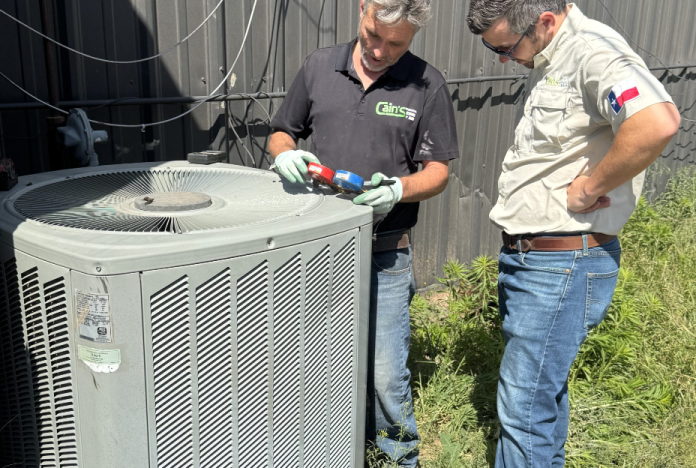
Homeowners can accomplish plenty through ordinary maintenance, but HVAC systems contain components that should be inspected and repaired by trained professionals.
Professional evaluation is particularly sensible when there are persistent comfort problems, unusual noises, unfamiliar odors, repeated cycling, weak airflow, moisture around equipment, or significant changes in system performance.
Electrical components and refrigerant systems should not become DIY projects. Attempting repairs without the necessary training can create safety risks and may cause additional equipment damage.
It is also useful to address unusual behavior before complete system failure occurs. A small performance change does not necessarily indicate a major problem, but identifying its cause early provides more options than waiting until the equipment stops working during extreme weather.
Build Better Home Comfort Habits
Improving indoor comfort does not always require a major renovation or new HVAC system. Consistent household habits can make a meaningful difference.
Homeowners can begin by keeping registers open and clear, inspecting filters, monitoring humidity, paying attention to temperature differences between rooms, and keeping the area around HVAC equipment unobstructed.
Seasonal professional maintenance can complement those efforts by addressing components homeowners cannot safely or effectively inspect themselves.
The goal is not to obsess over every minor change in indoor conditions. Instead, homeowners should develop enough awareness to recognize when something is consistently different from normal.
Conclusion
A comfortable home is the result of several systems working together. Temperature control matters, but so do airflow, filtration, humidity, ductwork, insulation, and the way conditioned air moves from room to room.
By looking beyond the thermostat, homeowners can better understand why certain spaces feel uncomfortable and why HVAC performance can change over time. Routine maintenance and early attention to persistent problems can also help prevent minor concerns from becoming disruptive ones.
Ultimately, thinking about heating and cooling as part of the home’s complete indoor environment makes it easier to make informed maintenance decisions and maintain consistent comfort throughout the year.